Vinyl Windows: A Complete Guide for Homeowners
Updated August 2026
Vinyl windows are among the most common residential windows because they combine low maintenance, practical energy performance, custom sizing, and broad style availability.
However, the term vinyl window only identifies the primary frame material. It does not tell you how well a particular window is built. Two vinyl windows can look similar while differing significantly in glass, frame design, weatherstripping, hardware, structural performance, warranty, and installation requirements.
What Are Vinyl Windows?
A vinyl window is a window with a frame and sash made primarily from rigid PVC. The frame is the stationary structure installed in the wall opening. The sash is the section that holds the glass and may be fixed or operable, depending on the style.
During manufacturing, vinyl is formed into profiles that create the frame, sash, and internal chambers. Stabilizers, pigments, and other ingredients are added to support outdoor performance and appearance.
Most modern vinyl windows also include:
- An insulated glass unit with two or more panes
- Weatherstripping around operable sections
- Locks, rollers, balances, hinges, or crank hardware
- Drainage pathways and weep holes
- Spacers and seals around the glass
- Reinforcement where required by the product design
- Screens on applicable operable styles
Are Vinyl Windows Good?
Vinyl windows can be a strong choice for many residential projects, particularly when low maintenance, energy performance, custom sizing, and budget control are important. They are not automatically the best option for every opening or building.
Advantages
- No routine painting or staining
- Good resistance to moisture
- Lower thermal conductivity than uninsulated metal
- Custom sizes are widely available
- Many operating styles can be manufactured in vinyl
- White products are often cost effective
- Frames are generally easy to clean
- Dual-pane and Low-E options are widely available
- Suitable products exist for replacement and new construction
Limitations
- Frames may be wider than narrow aluminum profiles
- Not every vinyl product can be repainted
- Dark finishes may have size or warranty restrictions
- Large units may need reinforcement or another material
- Entry-level products may use lighter hardware
- Vinyl expands and contracts with temperature changes
- Severe frame damage can be difficult to repair
- Quality varies considerably between products
- Custom units are commonly nonreturnable
Are Vinyl Windows Energy Efficient?
Vinyl can be an energy-efficient frame material, but the frame alone does not determine the performance of a window. The complete product includes the frame, glass, spacer, gas fill, weatherstripping, hardware, operating style, and installation.
U-Factor
U-factor measures heat transfer through the complete window. A lower number generally indicates better resistance to heat flow.
Solar Heat Gain
SHGC measures how much solar heat enters through the window. The appropriate value depends on climate, orientation, and building design.
Air Leakage
Air leakage measures air passing through the tested window assembly. Lower values indicate less air movement through the product.
Features That Can Affect Performance
- Double-pane or triple-pane glass
- Low-emissivity coatings
- Argon or krypton gas fills
- Insulated frame chambers
- Warm-edge spacer systems
- Quality weatherstripping
- Sash compression and locking
- Air-leakage performance
- Installation and perimeter sealing
- Window size and operating style
Types of Vinyl Windows
Vinyl describes the material. The window type describes its shape and operation. ClearMax offers several custom vinyl window styles for replacement and new construction projects.

Single Hung Windows
A classic vertical opening style for replacement and new construction projects.

2 Lite Slider Windows
Two-panel sliding windows designed for wide openings and easy operation.

Picture Windows
Fixed windows that bring in more light and provide broad, unobstructed views.

Casement Windows
Side-hinged windows that open outward for ventilation and compression sealing.

Awning Windows
Top-hinged windows commonly used for ventilation in smaller spaces.
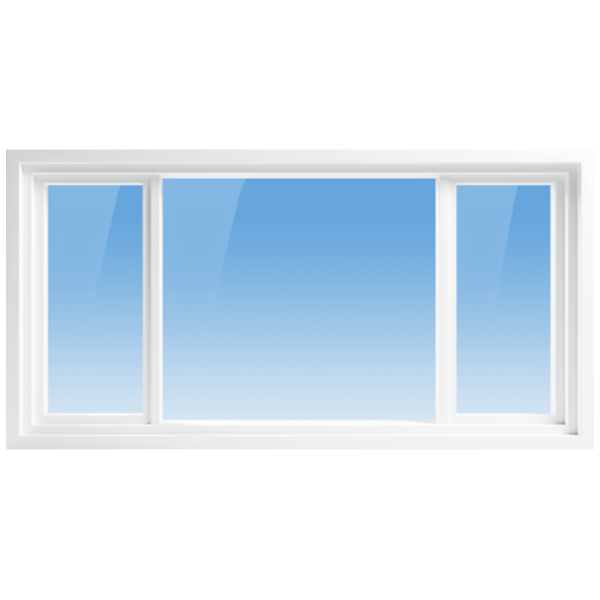
3 Lite Slider Windows
Three-panel sliding windows for wide openings with flexible ventilation.
What Do Vinyl Windows Look Like?
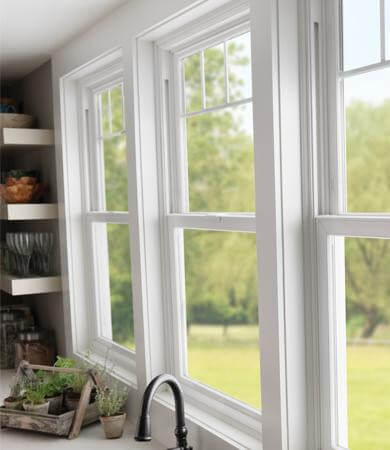
Vinyl windows are frequently associated with smooth white frames, but appearance varies by product line. Available choices may include white, almond, black exterior, two-tone combinations, grids, privacy glass, and several operating styles.
Vinyl frames usually have more visible material around the glass than very narrow aluminum profiles. The sightline depends on the manufacturer, window style, sash design, dimensions, and structural requirements.
A clean white picture window can look modern and minimal. A black exterior casement can complement contemporary architecture. A divided-light single hung window can suit a traditional exterior.
Available Frame Colors
Available frame colors can vary by window style, configuration, product, and manufacturing region. Confirm the available selection in the configurator before ordering.
Do Vinyl Windows Look Cheap?
Vinyl itself does not automatically look inexpensive. The final appearance depends on frame proportions, corner finishing, hardware, grids, color, glass area, screens, trim work, and installation quality. Compare actual product images and specifications instead of judging the material from a small color swatch.
How to Identify a Quality Vinyl Window
No single feature proves that a window is the best product for every project. Evaluate the complete design and make sure it is appropriate for the opening, climate, and installation method.
Frame Construction
Look for consistent corners, clean finishing, appropriate internal chambers, and a frame that remains square.
Reinforcement
Large sashes, meeting rails, and some dark products may require reinforcement. Ask where and why it is used.
Weatherstripping
Check how the sash engages with the seals and whether the weatherstripping can be serviced or replaced.
Insulated Glass
Compare pane count, Low-E coating, gas fill, spacer system, tempered options, privacy glass, and warranty.
Operating Hardware
Sashes should move smoothly, locks should engage consistently, and hardware should be sized for the product.
Certified Ratings
Review applicable thermal, air, water, and structural ratings rather than relying only on broad marketing claims.
Read the Written Warranty
Check coverage for the vinyl frame, insulated glass seal, hardware, screens, exterior finish, labor, shipping, transferability, rental or commercial use, coastal exposure, improper installation, and modifications. A lifetime label may still contain significant limitations.
Vinyl Versus Other Window Frame Materials
Every material has strengths and limitations. Compare the complete product, not only the frame material.
Vinyl
- Maintenance
- Low, with no routine painting
- Moisture resistance
- Good
- Thermal conductivity
- Relatively low
- Sightline
- Moderate
- Color options
- Product dependent
- Typical cost
- Often economical
Aluminum
- Maintenance
- Low
- Moisture resistance
- Good, depending on finish and environment
- Thermal conductivity
- High unless thermally improved
- Sightline
- Often narrow
- Color options
- Broad finish selection
- Typical cost
- Varies
Fiberglass
- Maintenance
- Low
- Moisture resistance
- Good
- Thermal conductivity
- Relatively low
- Sightline
- Moderate
- Color options
- Often paintable
- Typical cost
- Commonly higher
Wood
- Maintenance
- Usually higher
- Moisture resistance
- Depends on protection and upkeep
- Thermal conductivity
- Relatively low
- Sightline
- Moderate to wide
- Color options
- Highly customizable
- Typical cost
- Commonly higher
Vinyl Windows for Existing Homes and New Construction
A vinyl window can be manufactured for an existing-home project or new construction. The frame material does not determine the installation method.
Existing Homes
Existing homes may use block frames, retrofit frames, or nail-on frames, depending on wall construction, exterior finish, water management, existing conditions, and the selected installation method.
- Renovations and remodels
- Rental and investment properties
- Insert or qualifying full-frame projects
- Projects using an independent installer
New Construction
New construction windows commonly include a nailing flange that is integrated with the weather-resistant barrier before exterior finishes are completed.
- New homes and additions
- Accessory dwelling units
- Major remodels with exposed framing
- Qualifying full-frame replacement projects
What Affects the Cost of Vinyl Windows?
There is no single price for a vinyl window. Product cost changes with the exact configuration.
Size and Style
Width, height, fixed or operable design, and the complexity of the operating hardware affect manufacturing cost.
Glass and Performance
Low-E coatings, tempered glass, privacy glass, gas fills, grids, and climate-specific energy packages can change pricing.
Frame and Finish
Frame configuration, color, two-tone finishes, specialty shapes, structural requirements, and quantity affect the order.
Installation, permits, trim, waterproofing, disposal, and repairs may be separate from the product price. Compare quotes using the same window specifications and scope of work.
Compare Vinyl Window Options and Prices
Configure the size, style, frame, glass, color, grids, and available upgrades for your project. Review the complete specification before ordering.
Get a PriceHow Long Do Vinyl Windows Last?
There is no reliable universal lifespan for every vinyl window. Service life depends on product design, frame reinforcement, glass seals, hardware, installation, sun exposure, temperature, coastal conditions, building movement, maintenance, and frequency of operation.
A well-designed and correctly installed product may provide long service. A poorly installed window can develop air leakage, water issues, or operating problems much earlier. A warranty defines contractual coverage and should not be treated as a guaranteed lifespan.
Are Vinyl Windows Durable?
Quality vinyl windows can be durable in normal residential applications. Vinyl does not rot like unprotected wood or rust like untreated steel, but it is not indestructible.
- Heat-related deformation
- Failed insulated-glass seals
- Discoloration or surface damage
- Clogged drainage pathways
- Cracked corner welds
- Improper support of large sashes
- Worn balances, rollers, locks, or cranks
- Installation-related frame distortion
Vinyl Window Maintenance and Repair
Vinyl windows normally require less routine maintenance than painted wood windows, but they are not maintenance free.
Clean Gently
Use water, mild soap, and a soft cloth. Avoid abrasive pads or aggressive solvents unless the manufacturer approves them.
Keep Drainage Open
Remove dirt from sill tracks and drainage openings. Do not seal or block weep holes.
Inspect Components
Check weatherstripping, locks, rollers, balances, cranks, screens, exterior sealant, and surrounding finishes.
Follow Product Instructions
Use manufacturer-approved lubrication and avoid drilling, painting, or applying aftermarket film without written approval.
What Can Often Be Repaired?
- Locks and keepers
- Rollers and sash balances
- Crank hardware
- Weatherstripping
- Screens
- Insulated glass units
- Some removable sashes
Damage to the primary frame, severe distortion, failed welded corners, or unavailable discontinued components may require complete window replacement.
Can Wood Windows Be Replaced With Vinyl?
In many homes, old wood windows can be replaced with vinyl products. The correct method depends on the condition of the wood frame, wall, exterior finish, and surrounding water-management system.
An insert installation may be possible when the existing frame is structurally sound and suitable for the selected product. It can preserve more trim, but it may reduce visible glass area because the new frame sits inside the old opening.
A full-frame replacement may be more appropriate when the old frame has rot, water damage, serious movement, poor geometry, or when the project requires a different installation approach. Existing conditions should be evaluated before a custom unit is ordered.
Are Vinyl Windows Environmentally Friendly?
It is more useful to evaluate measurable factors than to label every vinyl window environmentally friendly. Relevant considerations include whole-window energy performance, expected service life, manufacturing practices, transportation, local recycling options, repairability, and whether the window is appropriate for the building and climate.
PVC can be reprocessed in some manufacturing and recycling systems, but local acceptance of complete old windows varies. Glass, hardware, reinforcement, and sealants may need to be separated. ENERGY STAR certification describes verified energy performance. It does not certify that the frame material itself is universally sustainable or recyclable.
Vinyl Window Buying Checklist
Confirm every important specification before placing a custom order:
- Exact window style
- Exact width and height
- Frame type
- Interior and exterior color
- Grid pattern
- Glass type
- Tempered-glass requirements
- Privacy-glass requirements
- NFRC U-factor
- NFRC SHGC
- Applicable ENERGY STAR qualification
- Structural requirements
- Screen configuration
- Opening direction
- Hardware finish
- Egress requirements
- Installation responsibility
- Delivery method
- Production estimate
- Warranty terms
- Return and cancellation policy
Buying Vinyl Windows Online
An online buying process can make it easier to compare sizes, styles, and options without scheduling several sales appointments.
A useful configurator should let you select the style, enter dimensions, choose the frame, glass, grids, colors, and energy options, see pricing update, review the complete specification, and arrange delivery or pickup.
ClearMax Online Ordering
- Custom vinyl window sizes
- Replacement and new construction frame options
- Single hung, slider, picture, casement, and awning styles
- Visible pricing as products are configured
- Job-site delivery or available warehouse pickup
- Support before the order is approved
Build Your Custom Vinyl Windows
Choose your window style, dimensions, frame configuration, glass, grids, color, and available energy package online.
Final Verdict
Vinyl windows are a practical choice for many residential projects because they provide low maintenance, moisture resistance, broad style availability, and the potential for good energy performance.
The key point is that vinyl is only the frame material. It does not tell you whether a complete window is well constructed, suited to the climate, appropriate for the opening, or installed correctly.
Compare the actual frame and sash design, glass package, certified ratings, operating style, installation method, warranty, and total project cost. Avoid choosing based only on a starting price, the word vinyl, or a broad lifetime-warranty headline.
Vinyl Window FAQ
What are vinyl windows made of?
Vinyl window frames and sashes are made primarily from rigid polyvinyl chloride, commonly called PVC or uPVC. Formulations can include stabilizers, pigments, and other ingredients designed for outdoor exposure and manufacturing.
Are vinyl windows good quality?
They can be. Quality depends on the specific frame design, glass, seals, hardware, structural performance, manufacturing controls, and installation. The frame material alone does not establish quality.
What do vinyl windows look like?
They commonly have smooth white frames, but black exterior, almond, two-tone, and other finish options may be available. Frame width and appearance vary by product and style.
Are white vinyl windows outdated?
No. White vinyl remains widely used because it is neutral, practical, and compatible with many architectural styles. Dark exterior finishes create a different appearance but may have additional size, price, or warranty limitations.
Do vinyl windows look cheap?
Not necessarily. Frame proportions, glass area, grids, color, hardware, trim, and installation quality all affect the final result.
Are vinyl windows energy efficient?
Vinyl frames can provide good thermal resistance, but the complete window determines performance. Compare NFRC U-factor, SHGC, air leakage, glass, seals, and applicable ENERGY STAR qualification.
Are all vinyl windows ENERGY STAR certified?
No. Certification applies only to qualifying product configurations that meet applicable performance requirements for a climate zone.
What types of vinyl windows are available?
Common styles include single hung, double hung, sliding, picture, casement, awning, hopper, and specialty windows. Availability varies by manufacturer and region.
Can vinyl windows be black?
Yes, some products offer black exterior vinyl or a dark applied finish. Confirm available dimensions, heat-related restrictions, and finish-warranty coverage.
Can vinyl windows be painted?
Some manufacturers permit specific approved coatings, while others do not. Unapproved painting may damage the product or affect warranty coverage.
Are vinyl windows used only for replacement?
No. Vinyl products are manufactured for replacement, renovation, and new construction. The frame configuration and installation method determine the intended use.
Can wood windows be replaced with vinyl?
Often, yes. The correct method depends on the condition of the existing frame, wall construction, opening, exterior finish, and water-management system.
How long do vinyl windows last?
There is no universal lifespan. Product design, installation, climate, operation, exposure, maintenance, glass seals, and hardware all affect service life.
Can vinyl windows be repaired?
Hardware, glass, screens, balances, rollers, and weatherstripping may be serviceable. Serious primary-frame damage or distortion may require replacement.
How do I compare vinyl-window prices?
Compare the same size, style, frame type, glass package, color, grids, screens, warranty, delivery terms, and installation scope. A starting price does not represent every configuration.
What are the best vinyl windows for the money?
The best value is a product that satisfies the project’s performance, appearance, code, installation, and warranty requirements without paying for unnecessary upgrades. Compare exact specifications rather than relying only on brand or price.